
How to Teach Children to Express Their Feelings
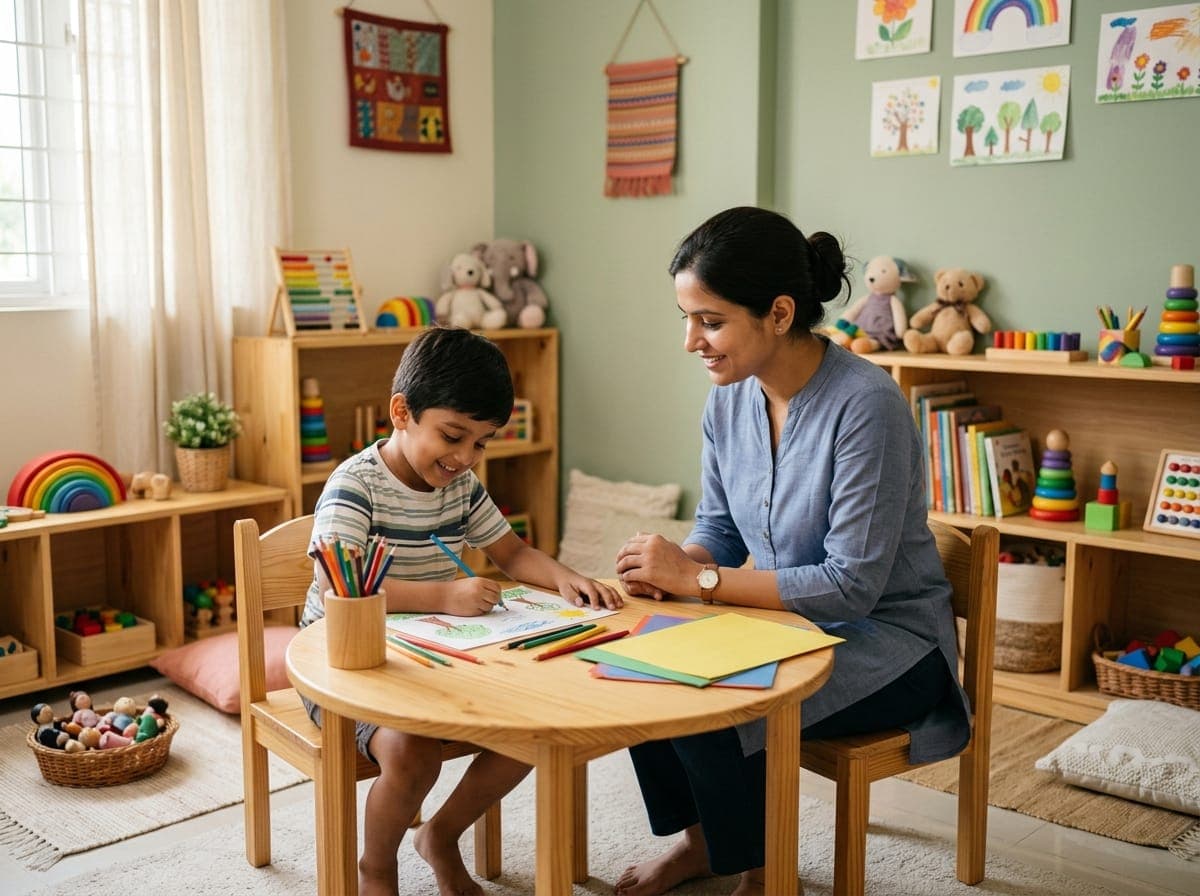
- Name it to tame it: labeling sensations reduces amygdala reactivity.
- Introduce feeling wheels and visual mood check-ins at home.
- Validate feelings unconditionally before redirecting behaviour.
- Speak openly about your own daily adult emotions in front of them.
When a five-year-old bites or an eight-year-old slams a door, they are rarely trying to be malicious. They are expressing an internal sensation that they do not yet possess the linguistic nuances to articulate.
As Dr. Dan Siegel notes, when we 'name it to tame it', brain scans show that linguistic labeling of emotional states immediately dampens neurological alarms.
Help your child expand beyond 'mad' or 'sad'. Introduce words like disappointed, overwhelmed, hesitant, excluded, jealous, nervous, or drained.
Crucially, remember the cardinal rule of mindful parenting: All feelings are acceptable; all behaviours are not. It is 100% fine to feel furious at your sibling; it is not okay to hit them.
“Daily Rose, Thorn & Bud: During dinner, invite each family member to share one sweet moment (Rose), one challenging moment (Thorn), and one thing they look forward to (Bud).”
Looking for guidance tailored to your family?
Book a 1-on-1 consultation to build emotional calm, conscious boundaries, and step-by-step strategies for your child.
Continue Reading

5 min read • October 14, 2024
How to Handle Tantrums Without Losing Your Calm
A tantrum is not manipulation or defiance; it is an immature nervous system overwhelmed by sensory and emotional input. Here is how to stay anchored when your child is in emotional storm.

7 min read • October 18, 2024
10 Positive Parenting Strategies Every Parent Can Try
Positive parenting is not permissive parenting. Discover 10 actionable, respectful strategies that build cooperation, emotional security, and accountability in everyday family routines.

6 min read • October 22, 2024
How to Raise Emotionally Strong Children
Emotional resilience does not mean never feeling hurt or sad. It means knowing that feelings are temporary, manageable, and that you have the internal tools to rise through difficulty.